Middle East and Asia
Across the Middle East and Asia, CNFA has helped agricultural enterprises rebuild operations, reduce import dependence, and compete in commercial markets. Our work spans enterprise development, private sector input supply networks, trade facilitation and export compliance, agricultural technology adoption, and investment mobilization.
Trade and Markets
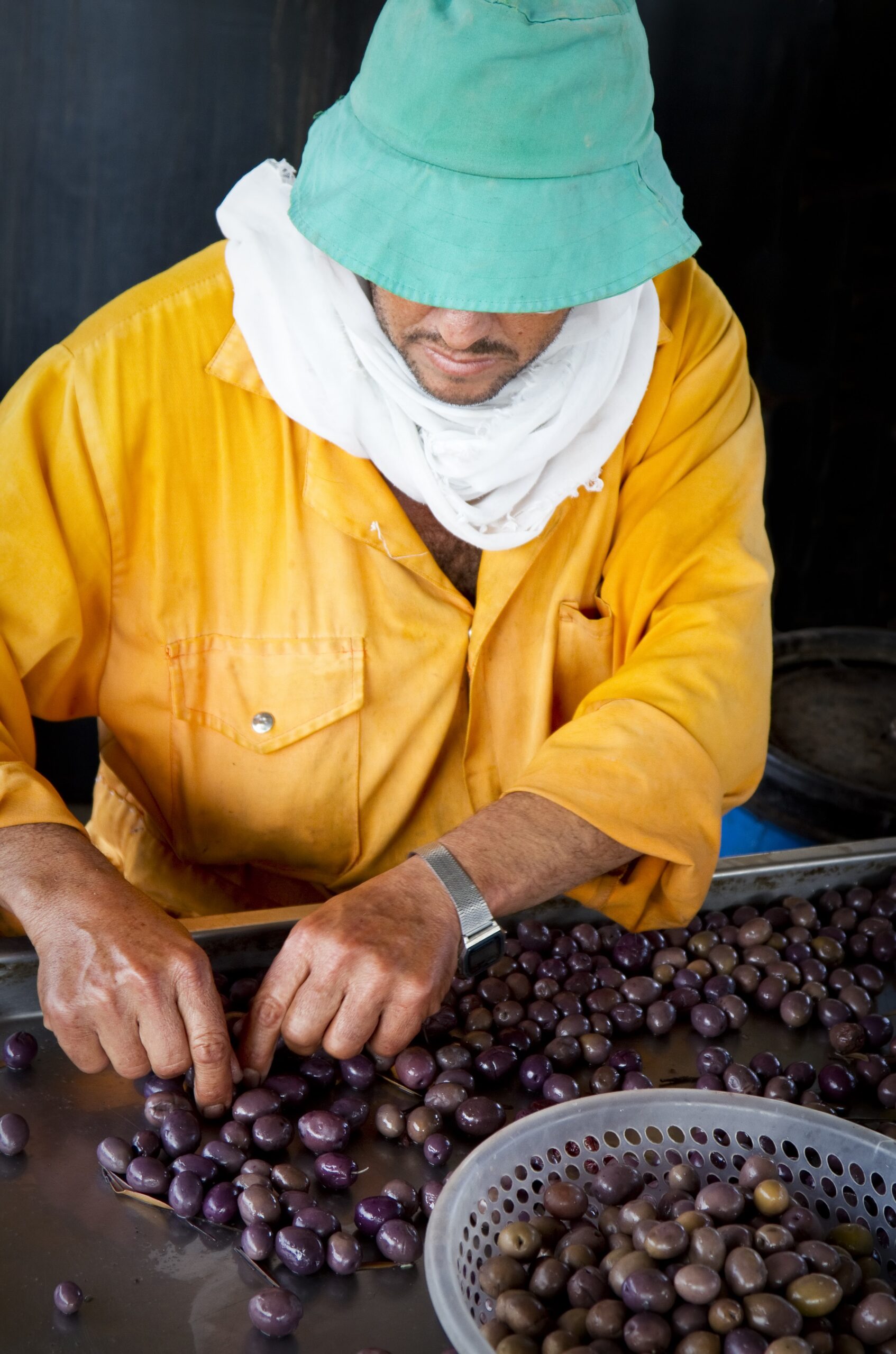
We help producers meet U.S. and international quality and safety standards. By strengthening postharvest systems, improving grading and packaging, and expanding producer-buyer linkages, CNFA helps producers reduce rejection rates, meet market specifications, and access higher-value domestic and export opportunities.
- 85% of olive oil producers met export-grade specifications through improved harvesting, milling, and quality testing (Egypt)
- 15 packhouses and aggregation centers upgraded with traceability and quality management systems (Egypt)
- Revised Preferential Trade Agreement with Indonesia secured improved market access for citrus (Pakistan)
- Export linkages facilitated in Gulf, Southeast Asian, and European markets (Pakistan)
Finance and Investment
We mobilize private investment in agriculture by reducing risk through co-investment, cost-sharing, and business development support. By improving business readiness and reducing risk, we enable agribusinesses to access the financing needed to invest in technologies and systems needed to participate more effectively in agricultural markets.
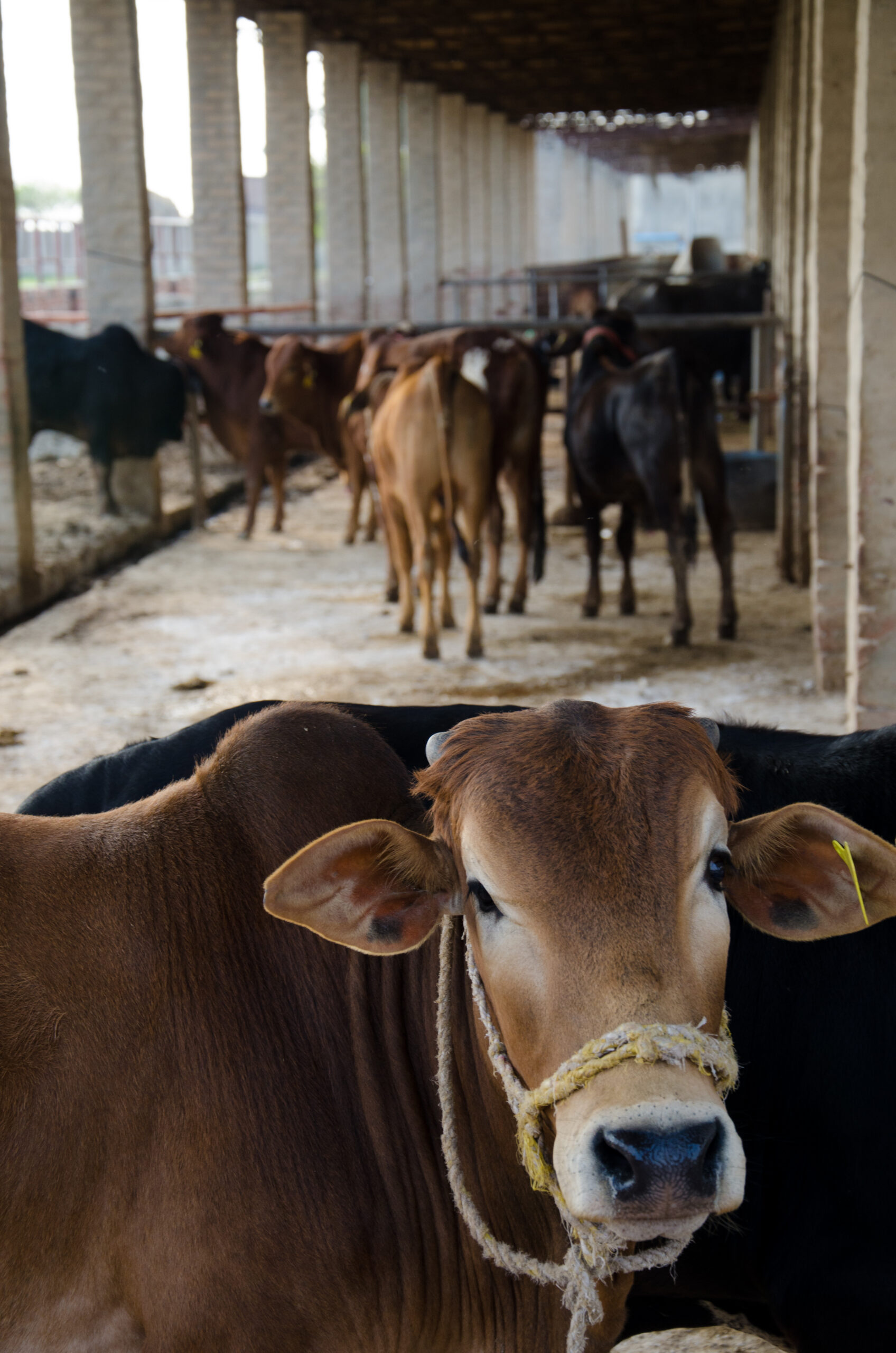
- $6M+ in private co-investment mobilized in horticulture and livestock (Pakistan)
- $34.6 million in annual sales generated by the private sector actors (Pakistan)
Input Supply and Distribution
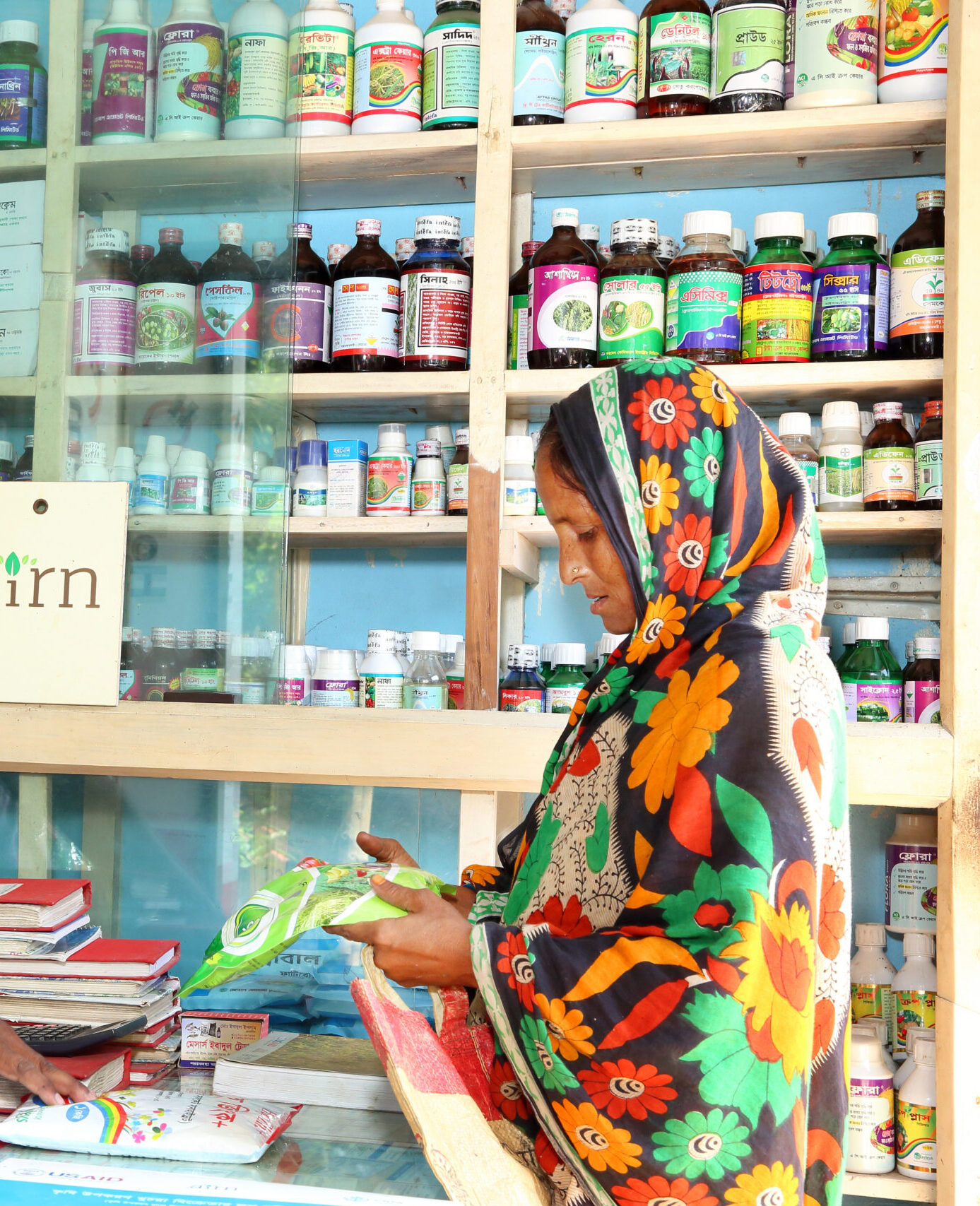
We build private sector input supply networks that connect farmers to quality products, services, and technical advice. Through Farm Service Centers, certified retailer networks, and partnerships with manufacturers and distributors, we expand access to seeds, fertilizers, crop protection products, livestock services, mechanization, and on-farm advisory support. These efforts strengthen retailer business practices, reduce the circulation of adulterated inputs, and professionalize rural distribution and extension systems, enabling farmers to adopt more productive technologies.
- $110M+ in input sales through 3,346 trained agrodealers serving 900,000+ farmers (Bangladesh)
- 74 horticulture cooperatives improved their operational capacity (Egypt)
- U.S.-origin technologies imported, demonstrated, and marketed through local dealer networks (Pakistan)
- By providing irrigation tools and equipment, enhanced irrigation efficiency across 301 hectares, resulting in an estimated annual water savings of 287,000 cubic meters (West Bank)
Enterprise Capacity Development
We strengthen the capabilities of farmers, producer groups, and agribusinesses to expand production, improve management practices, and operate more effectively in commercial markets. Our market-driven approach improves business planning, helps enable business continuity through disruptions, and positions rural businesses to re-enter and compete in formal markets.
- $7M in domestic wheat sales (Afghanistan)
- 2,400+ entrepreneurs restarted production through $3M in business grants (Iraq)
- 4,000+ producers and 400 small businesses restored to market activity post-earthquake (Pakistan)
Agricultural Productivity and Postharvest Management
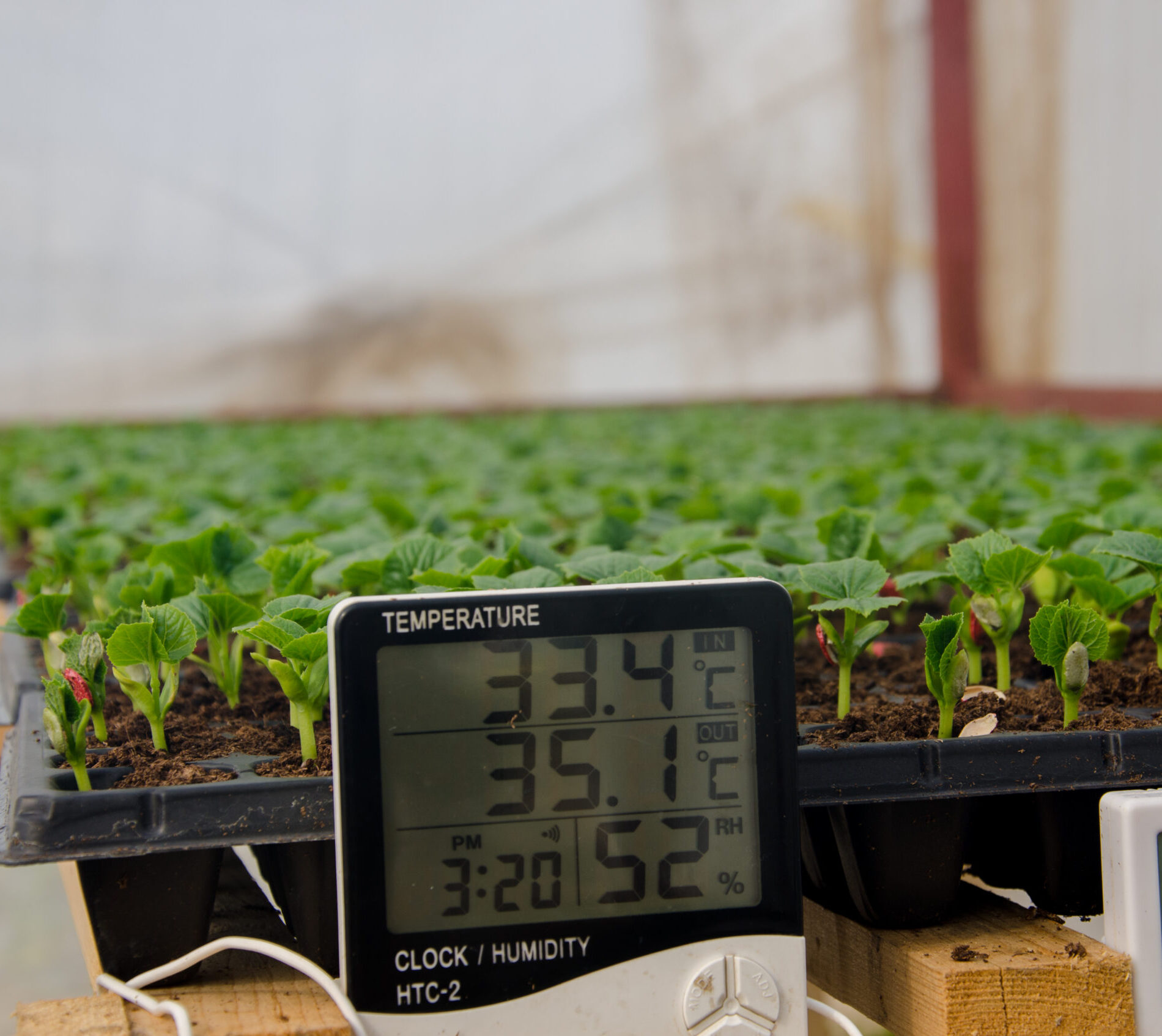
We introduce technologies that improve productivity, reduce losses, and help producers participate in lucrative markets. These innovations range from low-cost storage structures and improved processing tools to modern cooling systems and efficient irrigation technologies tailored to water-scarce environments. Our work strengthens the ability of agribusinesses to maintain product quality, manage resources, and meet higher-value market requirements.
- Modern cold chain infrastructure introduced via 1,600+ technology demonstrations and 700 field days (Pakistan)
- Electron-beam irradiation introduced to meet export phytosanitary requirements (Pakistan)
- 66 drip irrigation systems installed across 303 hectares (West Bank)