East Africa
Across East Africa, we have leveraged American expertise and private capital to build competitive, self-sustaining agricultural markets. Our work spans five interconnected areas: unlocking agricultural finance and private investment, building commercially viable input supply networks, strengthening enterprises to operate as competitive businesses, increasing productivity through U.S. volunteer technical assistance, and connecting livestock and dairy producers to export markets.
Finance and Investment
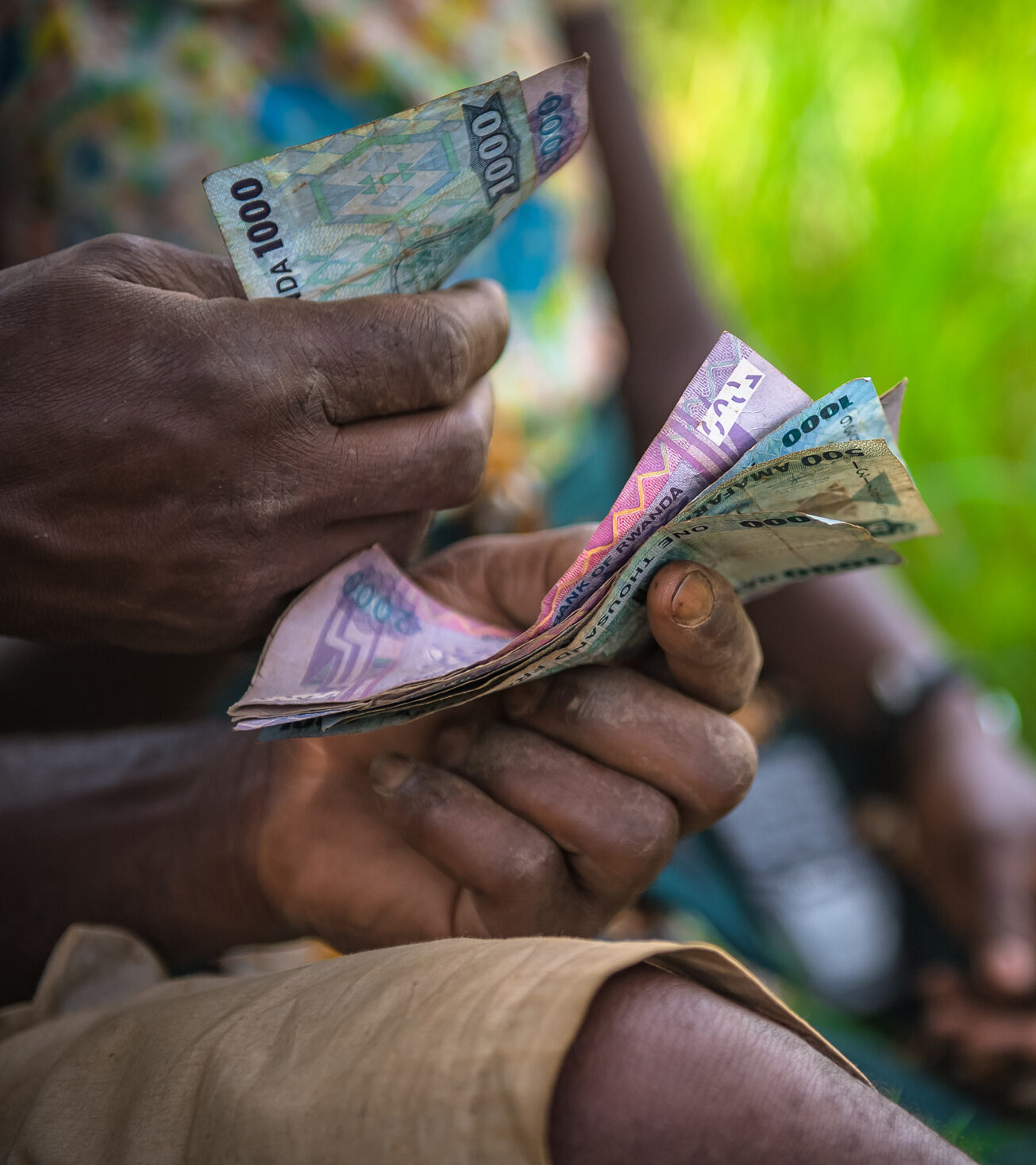
We unlock private investment in agriculture by reducing lending risk, strengthening financial institutions’ capacity to serve the sector, and connecting farmers and agribusinesses to credit. Through agricultural loan product development, credit risk mitigation, Business-to-Business linkages, and borrower readiness support, we enable enterprises to invest, scale, and access higher-value domestic and export markets.
- $57M+ in agricultural lending and private investment facilitated across the region
- $106M in livestock sales generated across dairy, meat, and live animal markets (Ethiopia)
- 65,000+ farmers accessing over $6.5M in loans through commercial partners (Rwanda)
Input Supply and Distribution
We build commercially viable agricultural input networks that connect farmers to markets through the private sector. Our Farm Service Center model has launched over 200 self-sustaining retail operations worldwide, including 40+ in East Africa. These one-stop shops leverage private investment, create jobs, and scale without continued donor dependency. In Tanzania alone, our agrodealer network tripled its working capital in one year.
- 200+ Farm Service Centers established across 7 countries
- $5M in private investment leveraged to build input retail network (Ethiopia)
- $6M → $20M in agrodealer working capital within one year (Tanzania)
- $3M in private capital mobilized through a $200K credit guarantee—15:1 leverage (Tanzania)
Enterprise Capacity Development
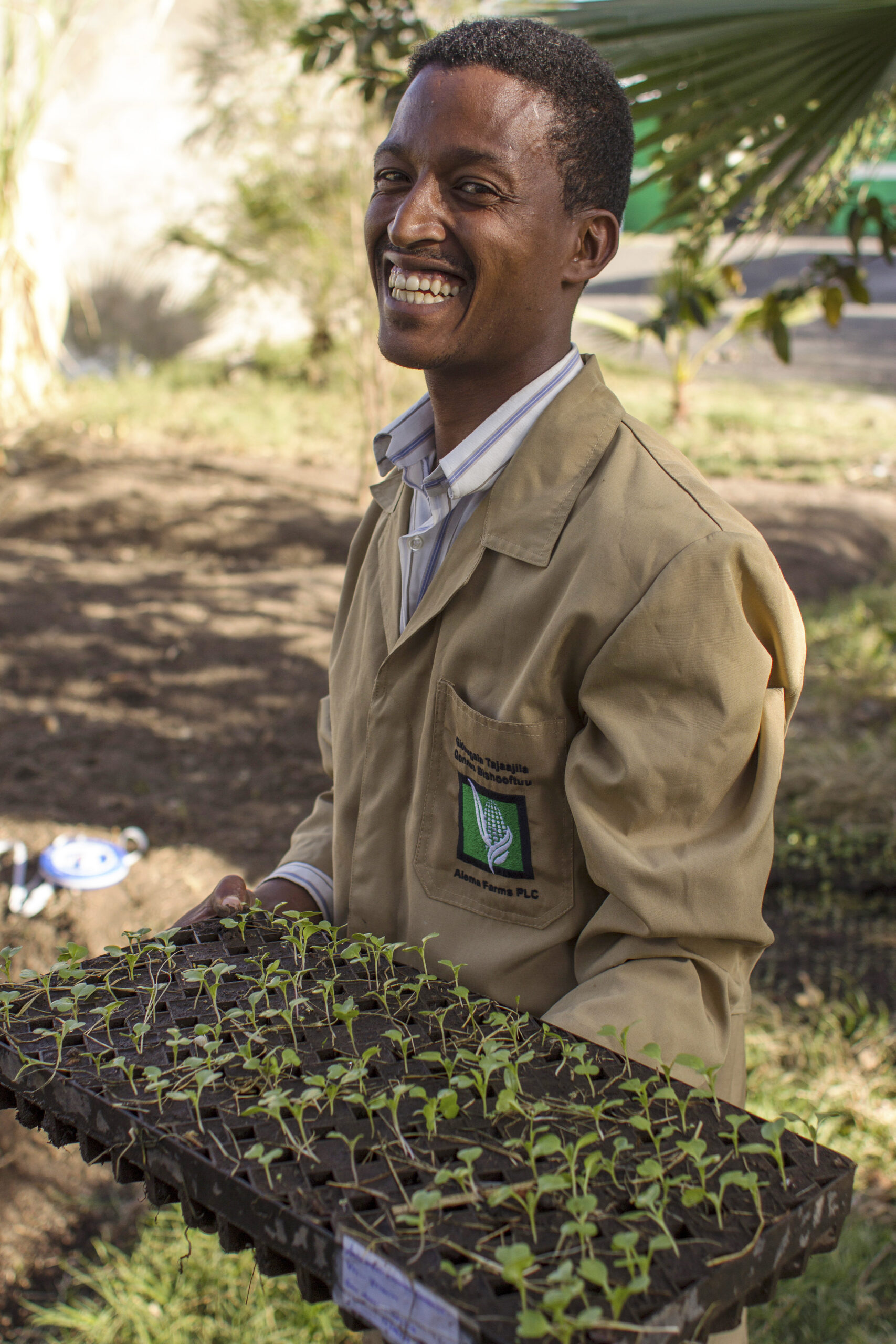
We strengthen agricultural enterprises—cooperatives, SMEs, processors, and agrodealers—to operate as competitive, commercially oriented businesses capable of attracting investment and sustaining growth beyond donor support. Through tailored business development, organizational governance strengthening, and facilitation of market and finance linkages, we build the managerial and operational capacity enterprises need to aggregate production, negotiate supply agreements, manage contracts, and deliver consistent quality to commercial buyers.
- $6M in supply contracts facilitated between 54 anchor firms and 200+ cooperatives (Rwanda)
- 104,000 farmers connected to commercial buyers through structured supply agreements (Rwanda)
- 105 agrodealers supported in business development to extend their reach to more farmers and improve grain quality and reduce losses (Rwanda)
Agricultural Productivity and Processing
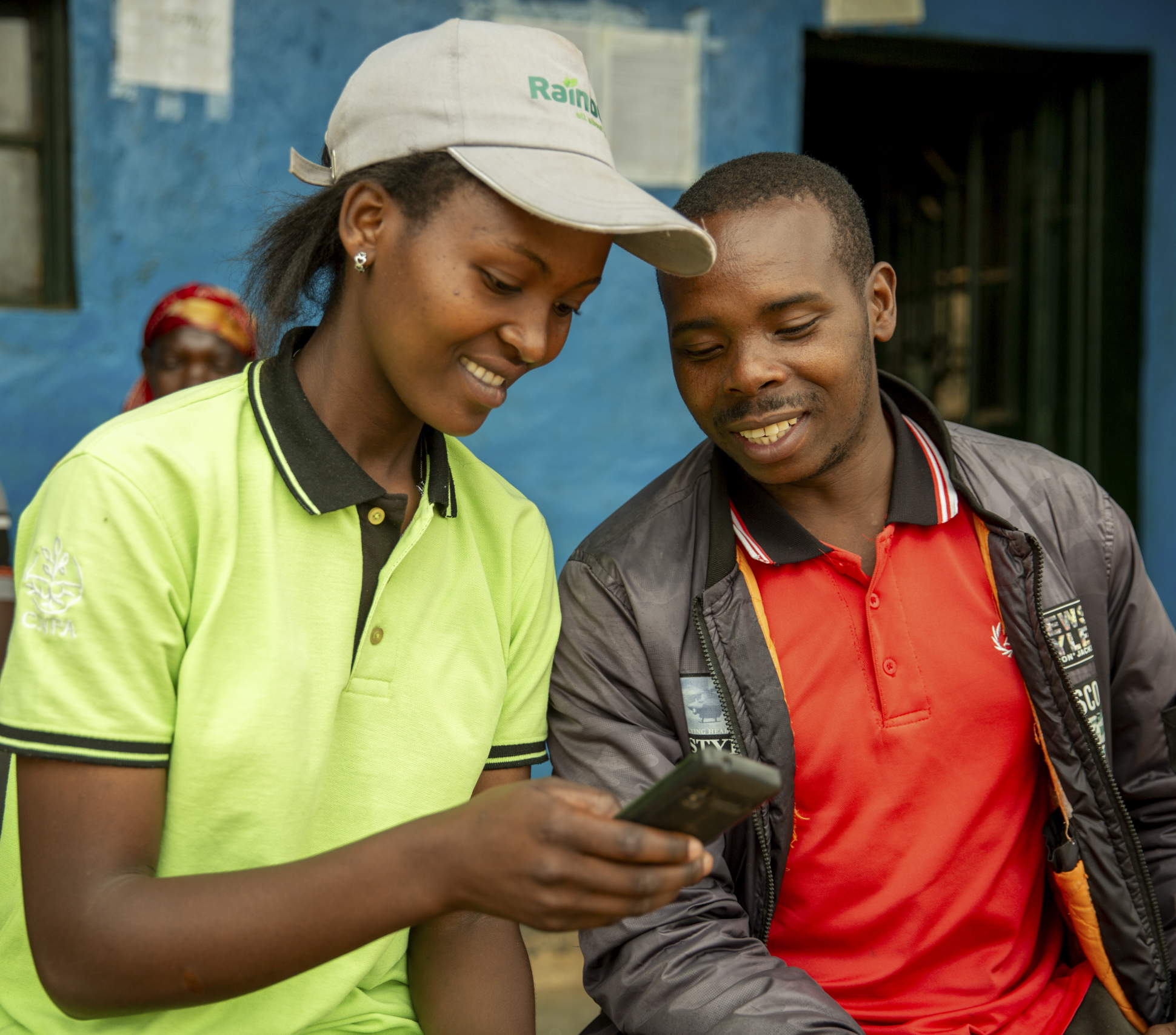
We increase agricultural productivity and processing capacity through American expertise and technical assistance. Across Kenya, Tanzania, Uganda, Ethiopia, and Rwanda, senior agribusiness experts transfer cutting-edge production practices, post-harvest handling technologies, and business management skills to cooperatives and enterprises across the region—generating rapid, measurable commercial returns at low cost.
- $21.6M in net income increases for volunteer host organizations
- $11.5M in follow-on private investment catalyzed across 5 countries
- 270,000 hectares under improved production practices across 5 countries
- 375+ U.S. volunteer assignments deployed across 5 countries
Livestock and Dairy
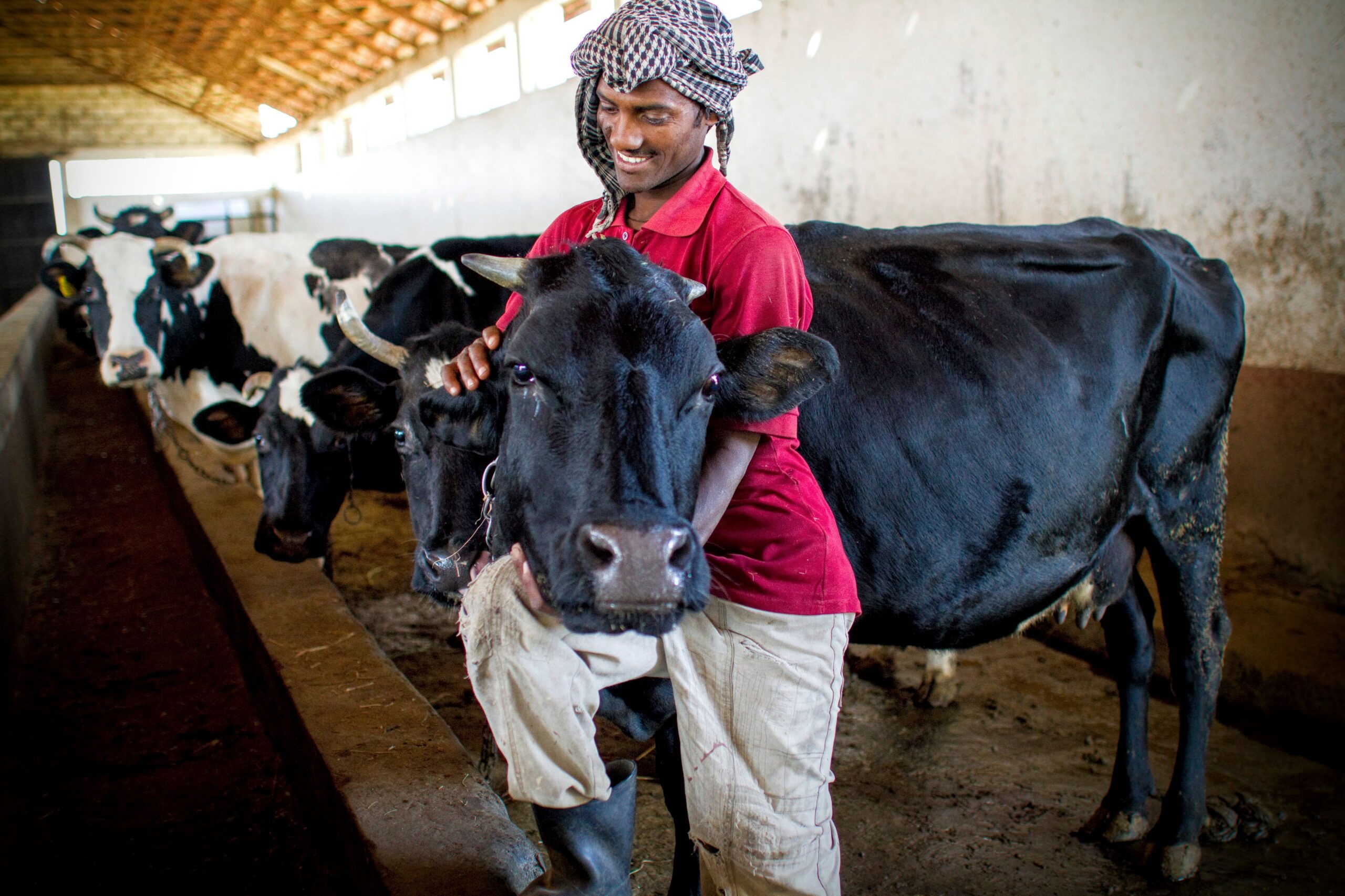
We improve livestock productivity, strengthen animal health systems, expand market access, and catalyze growth in dairy and meat supply chains. Through training, market facilitation, traceability systems, feed and fodder systems strengthening, and enterprise support, CNFA enables farmers and processors to meet quality standards, reduce losses, and supply higher-value domestic and export markets.
- $27M in livestock sales to abattoirs—241,000 goats and 3,800 cattle (Ethiopia)
- 23% reduction in milk rejection rates at collection points (Ethiopia)
- National traceability system (LITS) piloted—database, legal framework, and technology infrastructure designed (Ethiopia)
- Export market strategies developed for livestock trade to Egypt, Oman, Saudi Arabia, UAE, and Yemen (Somalia)