Our Legacy
Over 40 years of advancing agriculture as an engine of economic growth.
Since 1985, CNFA has been at the forefront of America’s efforts to build functioning markets, support entrepreneurship, and advance agricultural investment and trade to drive economic growth at home and abroad.
To achieve these goals, we helped to pioneer the role of private enterprise in modern agricultural development in the 1990s. By bringing over 200 U.S. food companies, agribusinesses, farm organizations, and financial institutions to support the Reagan Administration’s post-Cold War reconstruction efforts in the former Soviet Union, we worked with major American companies like H. J. Heinz Company, ConAgra, Cargill, and DowElanco (now Dow AgroSciences) as well as smaller U.S. businesses such as American Breeders Service (now ABS Global; Wisconsin), Avian Farms (Maine), and Freedom Farms International (Kentucky) to deliver global improvements in production, processing, marketing, and distribution.
Ever since, we’ve taken a market-based approach to driving economic growth across Asia, Africa, Europe, and the Middle East. Through our management of over $1 billion in public and private funds and implementation of over 140 programs globally, our legacy is the proof that agricultural development is good for the economy, good for people, and helps feed a hungry world.
Our History
1980s: CNFA Shapes American Leadership in Agriculture
Through high-level meetings and engagement with policymakers, CNFA helped advance early conversations about how the U.S. could promote private sector engagement and economic growth through international agricultural policy.
1983
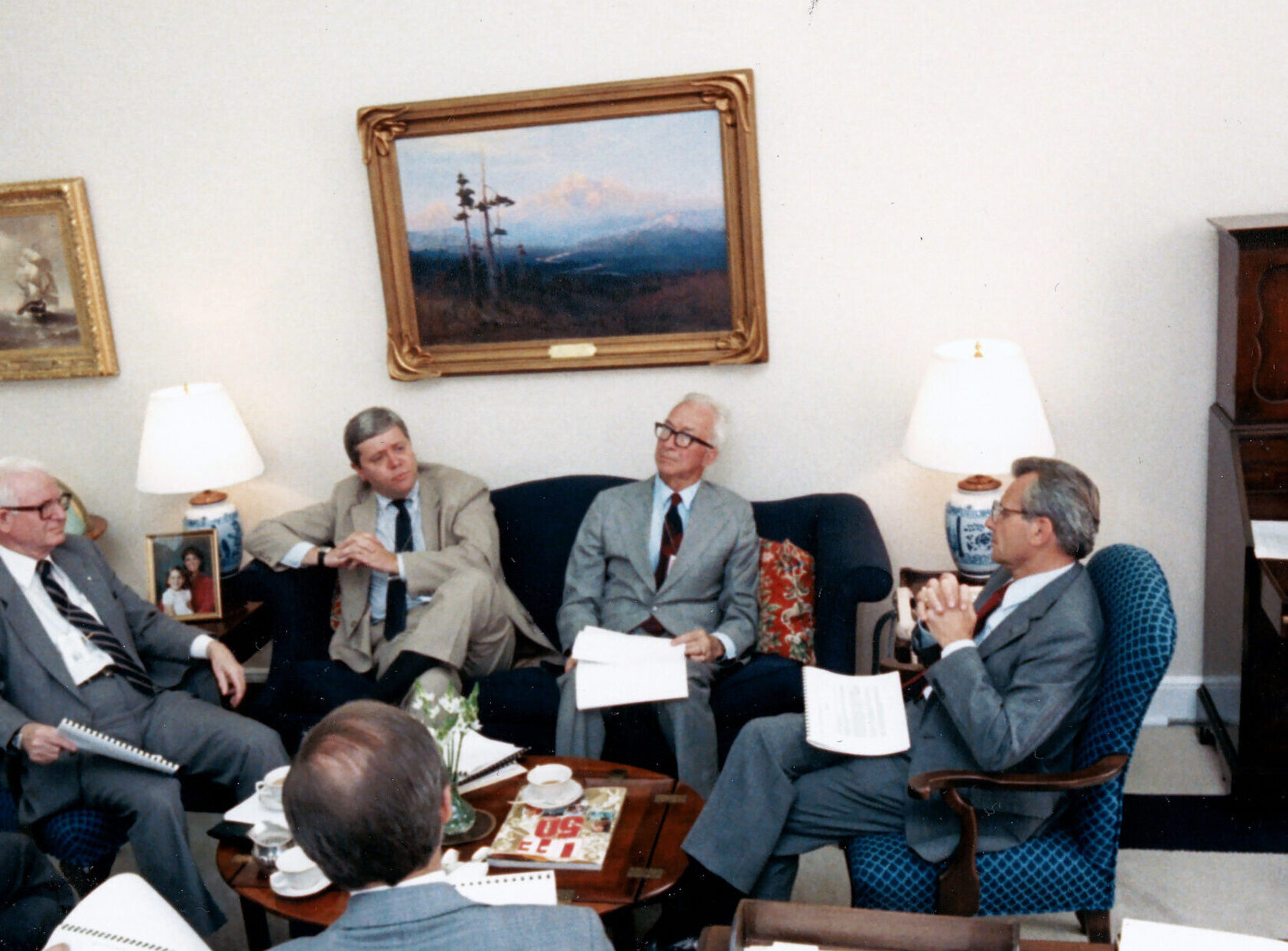
The bipartisan Carlucci Commission recommends the creation of a “citizens network” to strengthen U.S. engagement in global economic development by drawing on private sector and agricultural expertise.
1985
These recommendations led to CNFA’s incorporation as a nonpartisan organization, the Citizens Network for Foreign Affairs, focused on advancing global growth through agriculture and trade.
1986
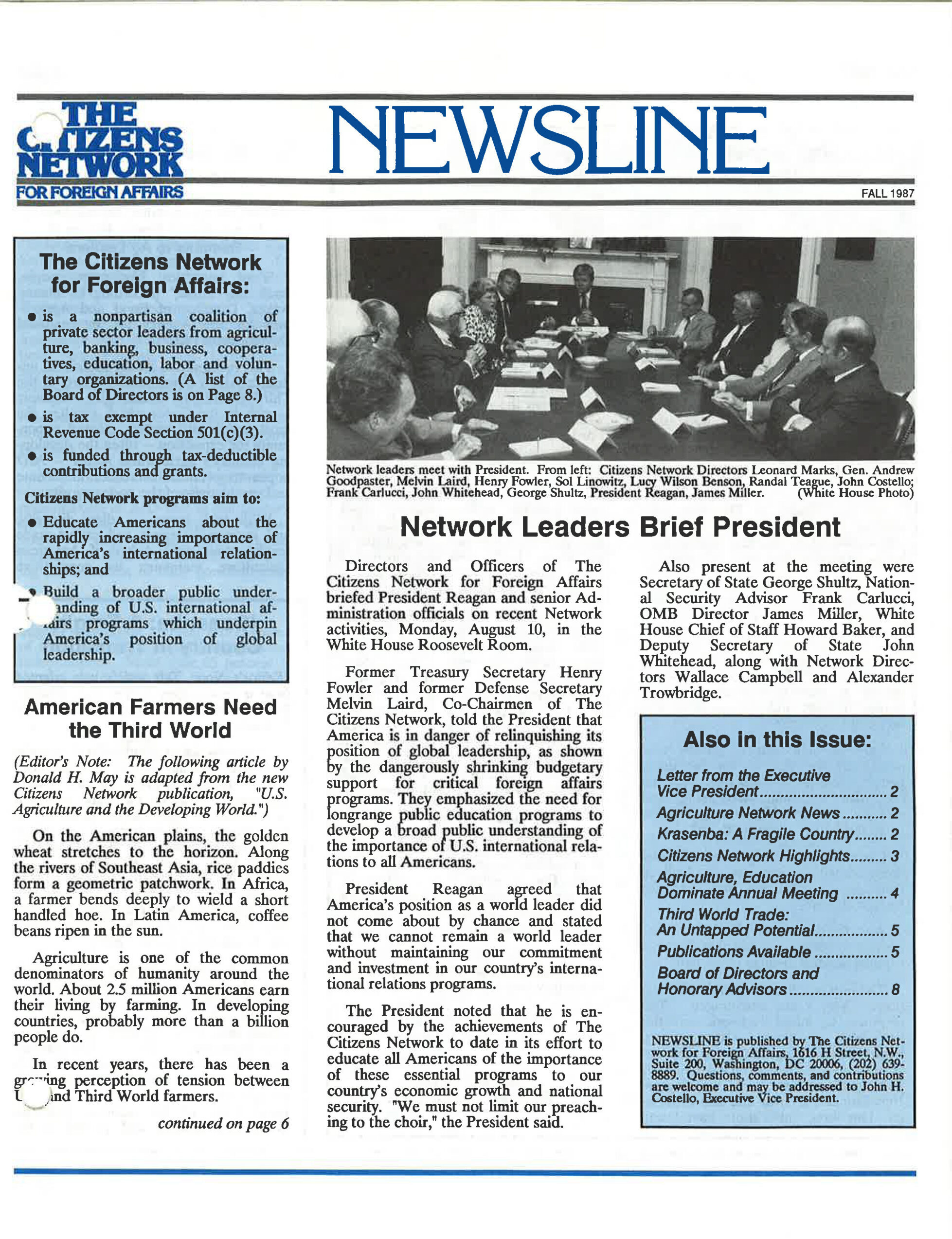
CNFA convenes its inaugural policy conferences and roundtables, bringing together U.S. farmers, agribusiness leaders, policymakers, and development experts. These dialogues, including discussions at the White House with President Ronald Reagan, Secretary of State George P. Shultz, and key business leaders, help to advance private sector-led approaches to agricultural development.
1989
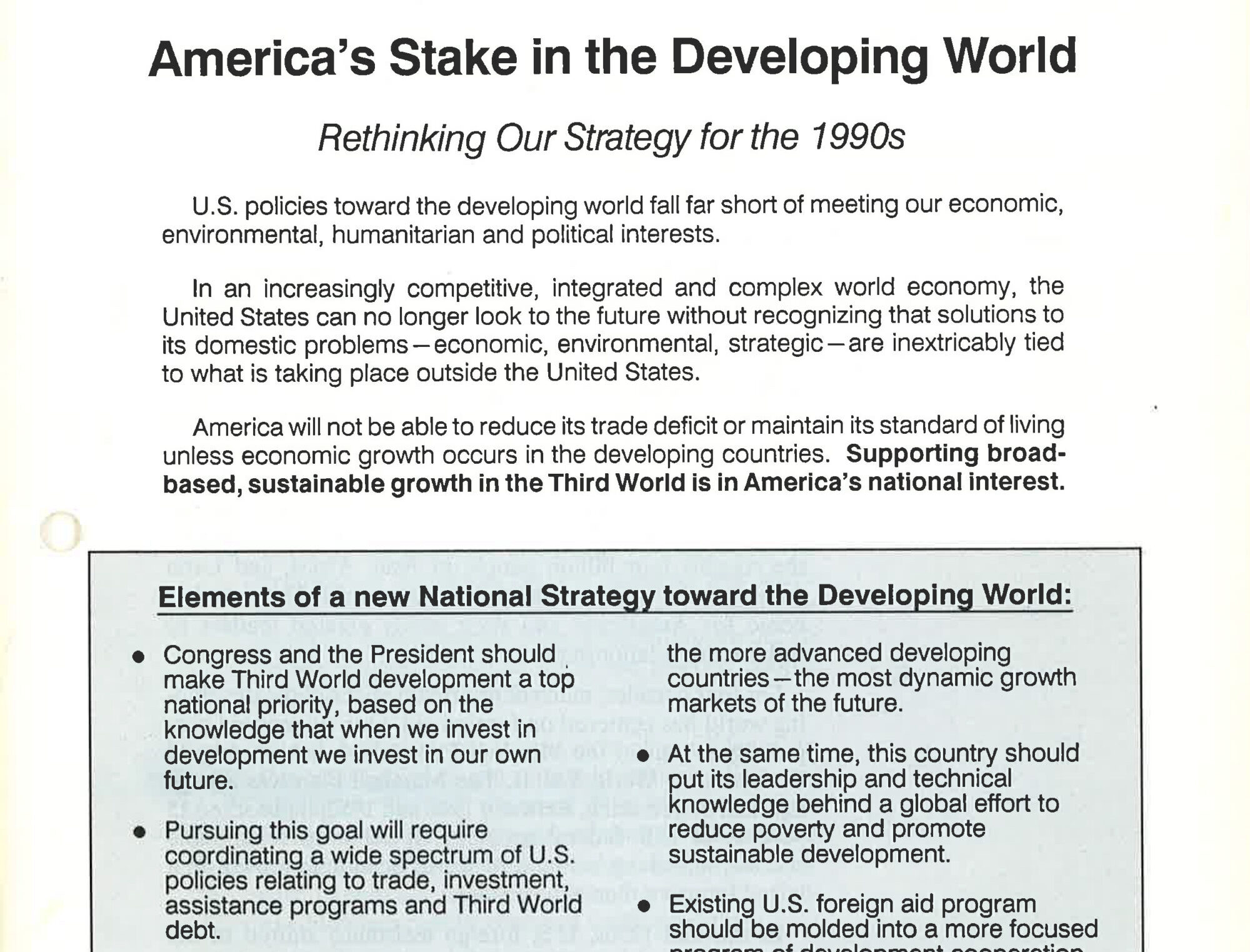
CNFA engages Congress to help jumpstart a dialogue on driving economic growth by promoting trade, investment, and long-term partnerships in developing and transitioning economies. These efforts highlighted the untapped economic potential of global agricultural development, prompting increased interest in investment from the U.S. business community.

1990s: CNFA Mobilizes the Private Sector
A defining element of CNFA’s legacy is its early and sustained engagement with the private sector. Long before private sector participation became a standard development principle, CNFA demonstrated how businesses could contribute meaningfully to agricultural growth through investment, expertise, and partnerships.
1990
CNFA helped establish the Citizens Network Agribusiness Alliance (CNAA), bringing together more than 200 U.S. food companies, agribusinesses, farm organizations, financial institutions, trade associations, and universities.
1991
Through the National Agricultural Advisory Committee (NAAC), CNFA convened agribusiness leaders and agricultural experts to advise policymakers on trade, investment, and market access issues. CNFA also facilitated early public-private partnerships linking U.S. agribusiness expertise with emerging and transitioning economies. These collaborations demonstrated how shared risk, long-term investment, and business-to-business engagement could strengthen food systems while expanding trade and market opportunities.
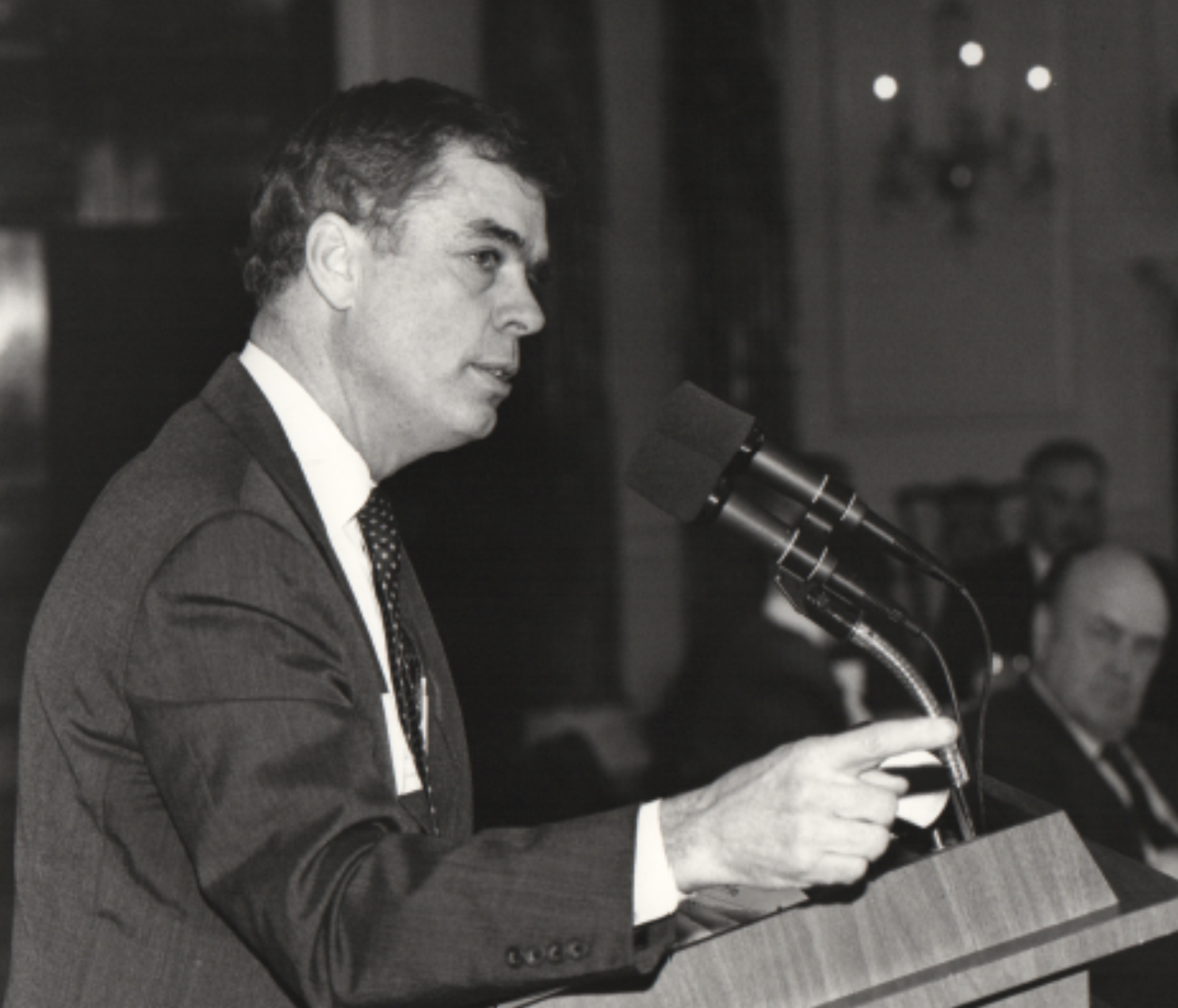
1992
CNFA launched its farmer-to-farmer volunteer programs, mobilizing experienced U.S. farmers and agribusiness professionals to share practical knowledge, technologies, and business acumen with farmers abroad. The programs, which were first launched in the former Soviet Union, later expanded to countries in Eastern and Southern Africa.
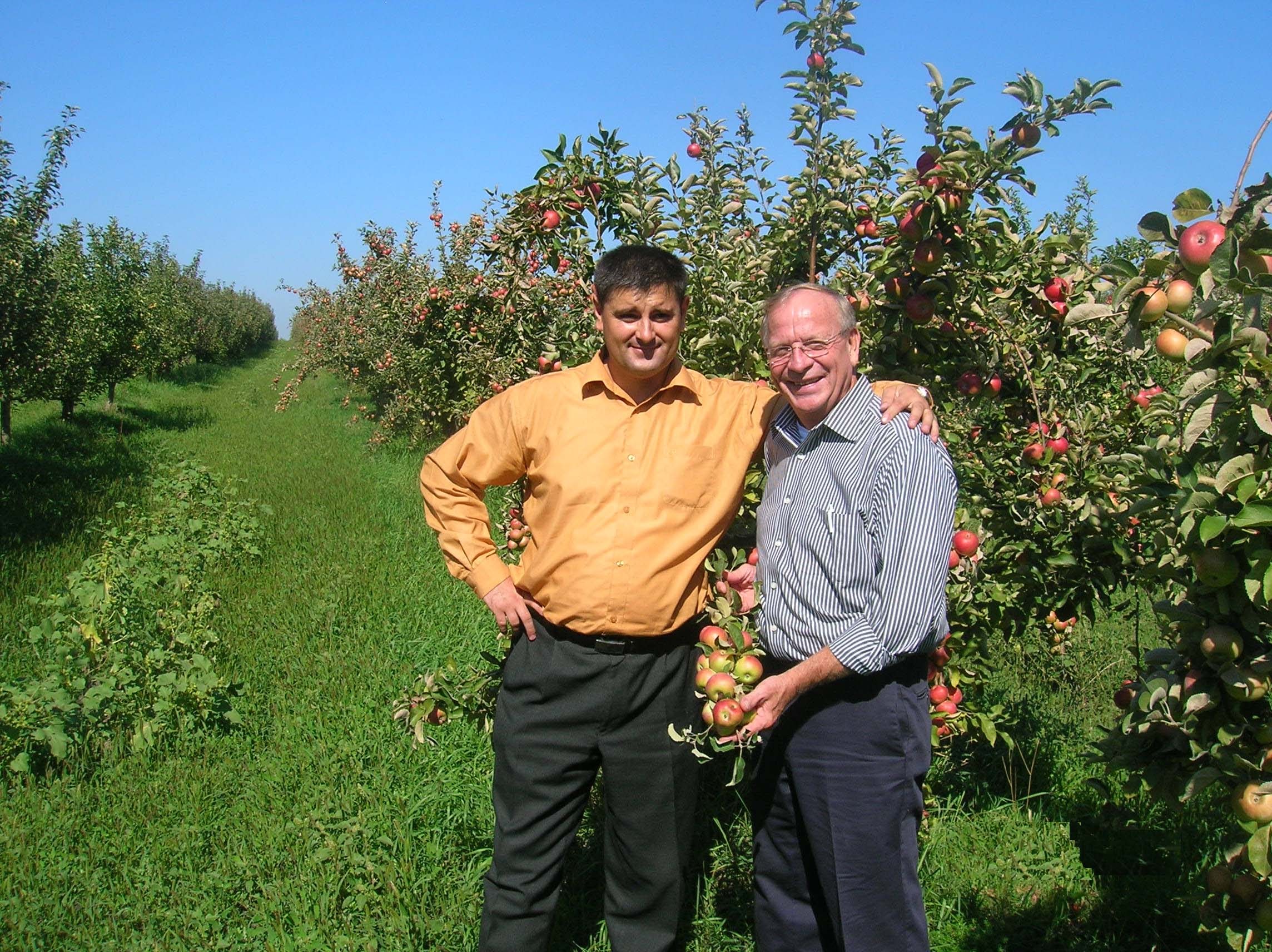
1993
Large-scale agribusiness and food systems restructuring initiatives in Eastern Europe and the former Soviet Union were launched to support the transition from subsistence farming to competitive, market-oriented agriculture. CNFA’s enterprise-driven input and service delivery models brought high-quality inputs, mechanization, and advisory services closer to farmers in last-mile markets for the first time—improving accessibility, profitability, and reliability across agricultural value chains.
Public-Private Partnership Story Spotlight: CNFA facilitated a joint venture between H.J. Heinz and the Georgievsk Agro Industrial Company (GAIC) to establish a high-quality baby food production plant in the former Soviet Union. The facility produced more than 1,700 tons of baby food annually and was staffed by local workers trained in modern, Western production methods. Reaching an estimated 10 million consumers, the product had an immediate and positive impact on infant nutrition and health. This joint venture is one of the many examples of how CNFA utilized public-private partnerships to meet critical food needs through commercially viable solutions.
1996
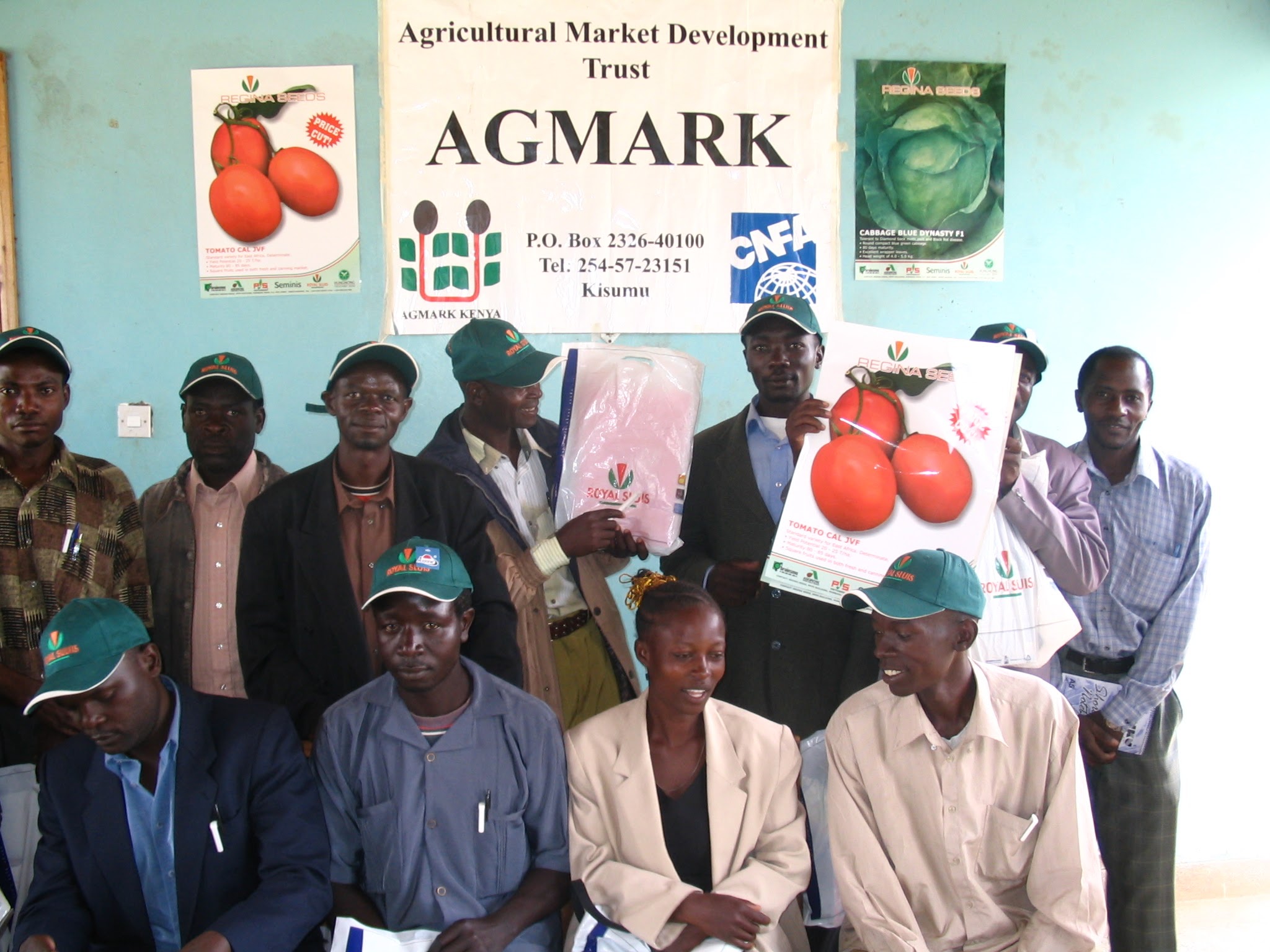
CNFA expanded its programming into Africa, beginning with its volunteer programs in Southern Africa and then through its agrodealer strengthening programs across Southern, Eastern, and Western Africa.
2000s: CNFA Scales Impact in Asia, Africa, and the Middle East
Following the success of these early efforts, CNFA adapted and brought its public-private partnership model to 48 countries across the globe.
2001
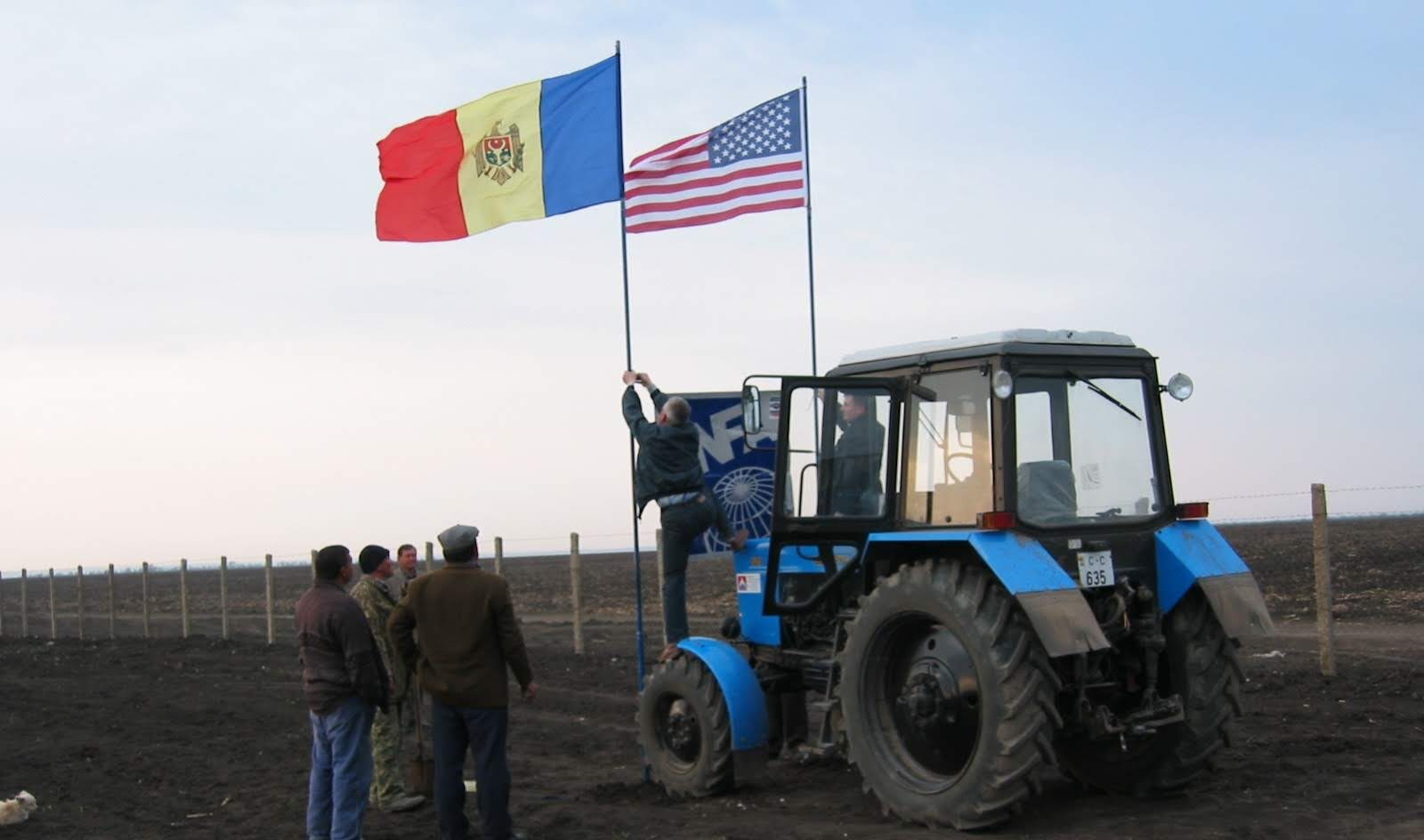
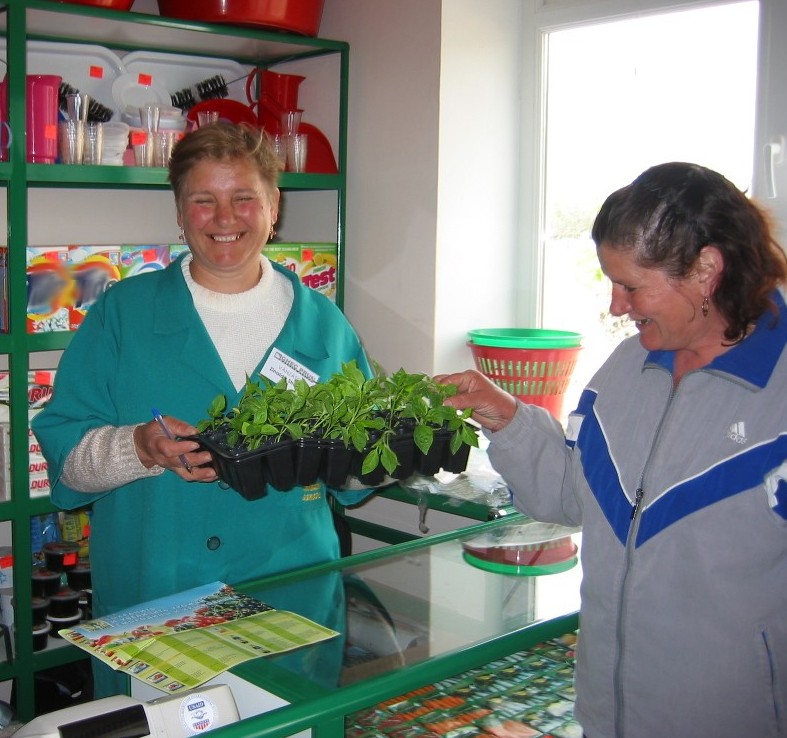
CNFA established the first Farm Service Center (FSC) in Moldova. FSCs are one-stop shops retailing a complete range of inputs, services, information, finance, technology, and market connections that help farmers participate in market-driven agricultural economies and move from small-scale to commercial farm production. CNFA has since expanded this model to launch over 200 FSCs across three continents, creating new markets for American goods and services.
2002
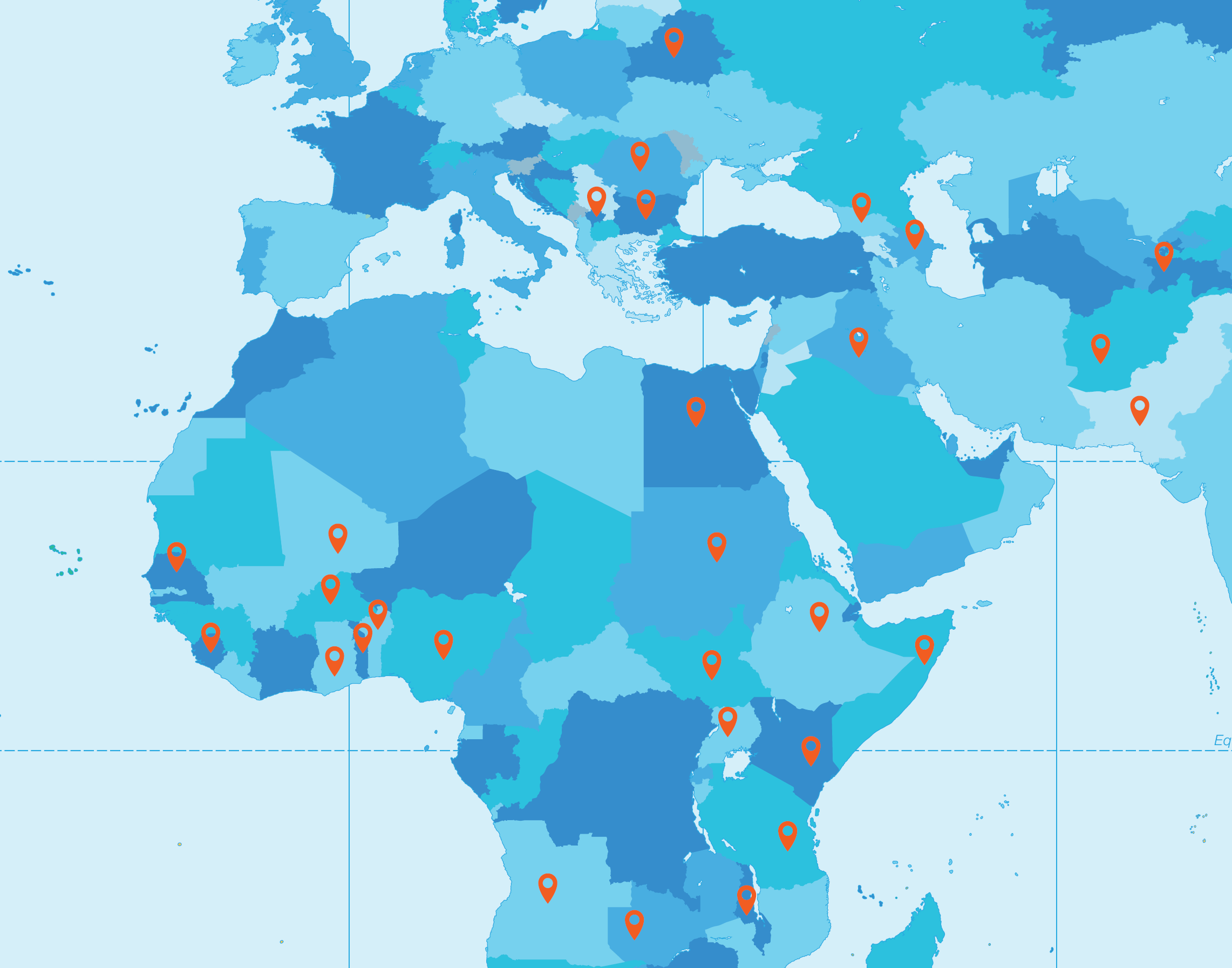
CNFA began expanding its work and geographic reach, introducing its proven farming and agribusiness approaches across Asia and the Middle East. These efforts adapted earlier successes to new contexts while maintaining a focus on building capacity, market access, and private sector engagement.
2007
CNFA rebranded as Cultivating New Frontiers in Agriculture, reflecting the organization’s focus on international agricultural development grounded in market-led growth and entrepreneurship.
2008
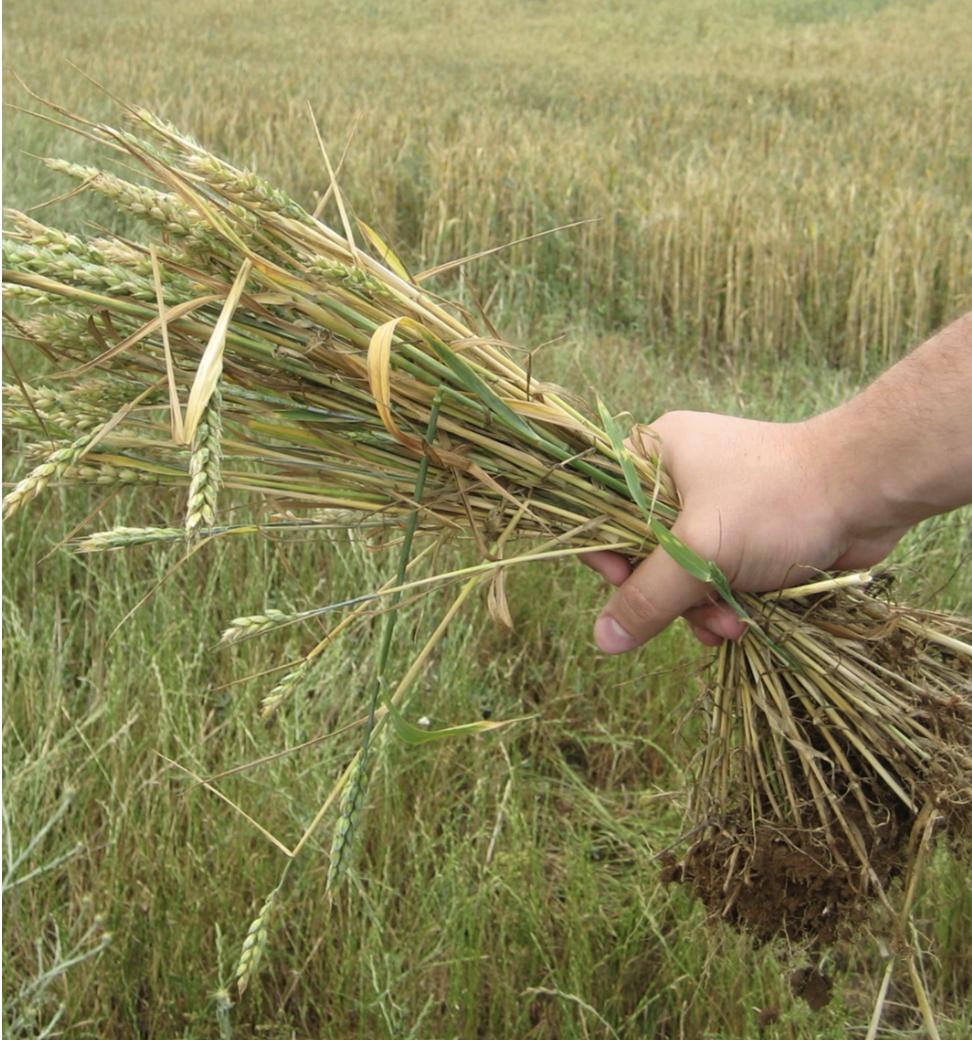
CNFA’s work expands in response to natural disasters, weather events, and conflicts to rescue harvests and ensure food security. In Georgia, after the 2008 conflict disrupted critical harvest activities and threatened the fall wheat planting, we quickly mobilized resources through our network of Farm Service Centers. By delivering inputs, machinery services, and training to 40,000 farm and internally displaced person families, we ensured that 36,000 hectares of crop were planted despite the conflict.
2010s-Present: Strengthening Trade and Export Pathways for U.S. Agriculture
Over the last 15+ years, CNFA has applied and refined its approaches through projects that open and expand markets for American agricultural goods by removing trade barriers, building export-ready supply chains, and connecting U.S. companies to buyers in high-growth economies.
2013
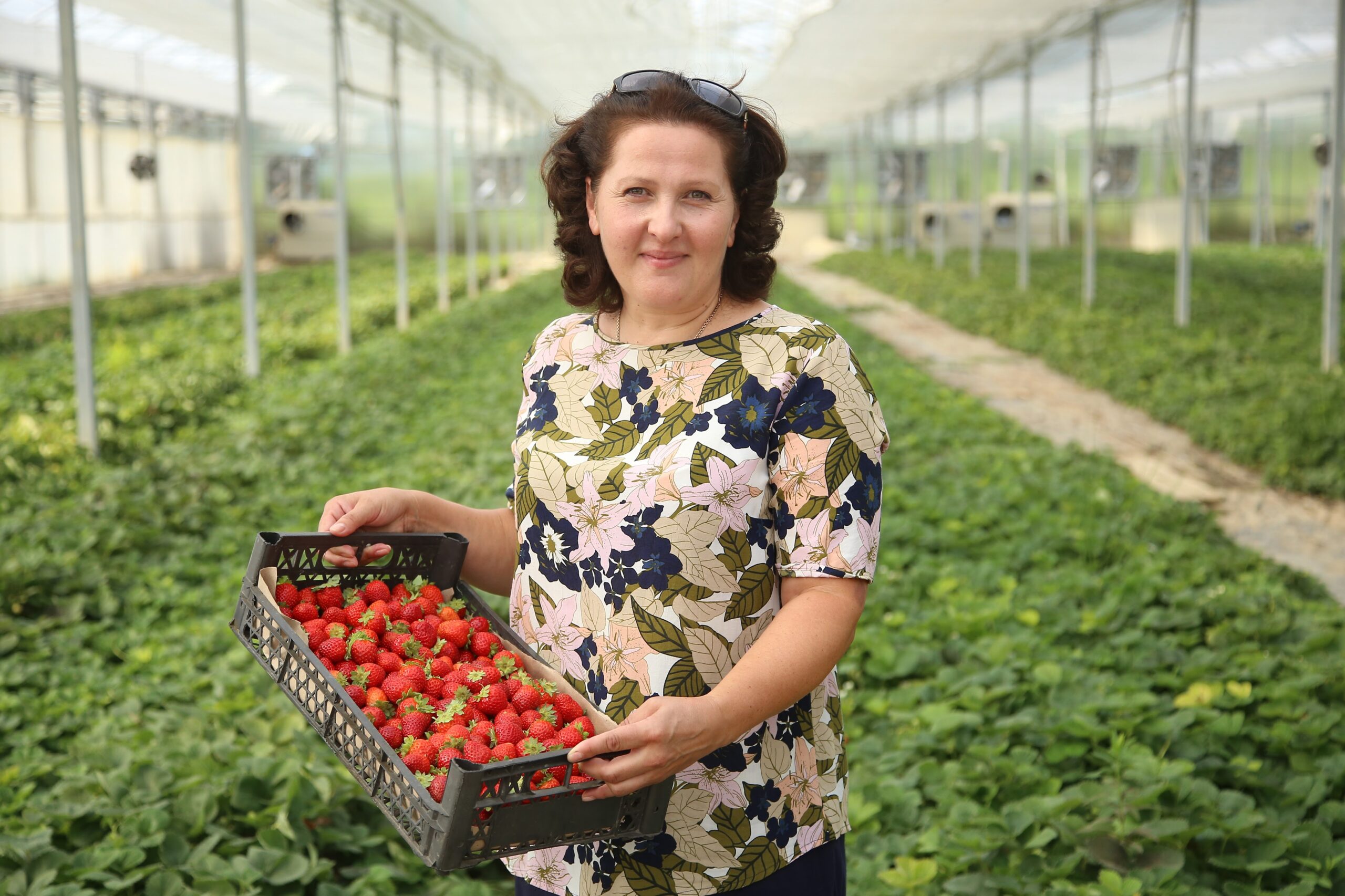
Via the Restoring Agricultural Efficiency and Georgia Agriculture Programs, CNFA generated $152 million in Georgian agricultural exports while creating market entry opportunities for American firms.
2017
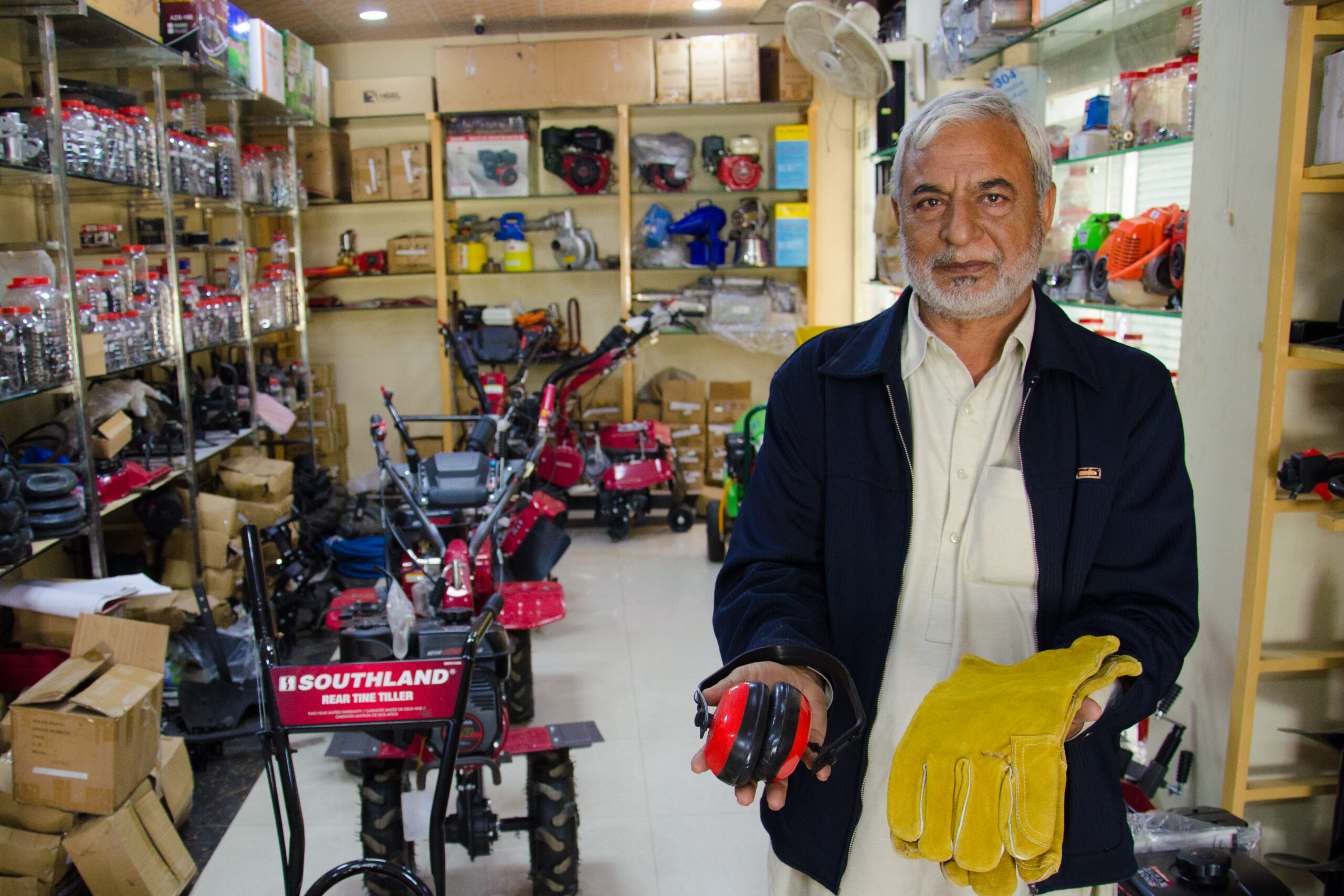
Through the Pakistan Agricultural Technology Transfer Activity, CNFA connected Pakistani agribusinesses to U.S. companies producing advanced agricultural technologies, generating nearly $3.3 million in U.S. sales across four states.
2018
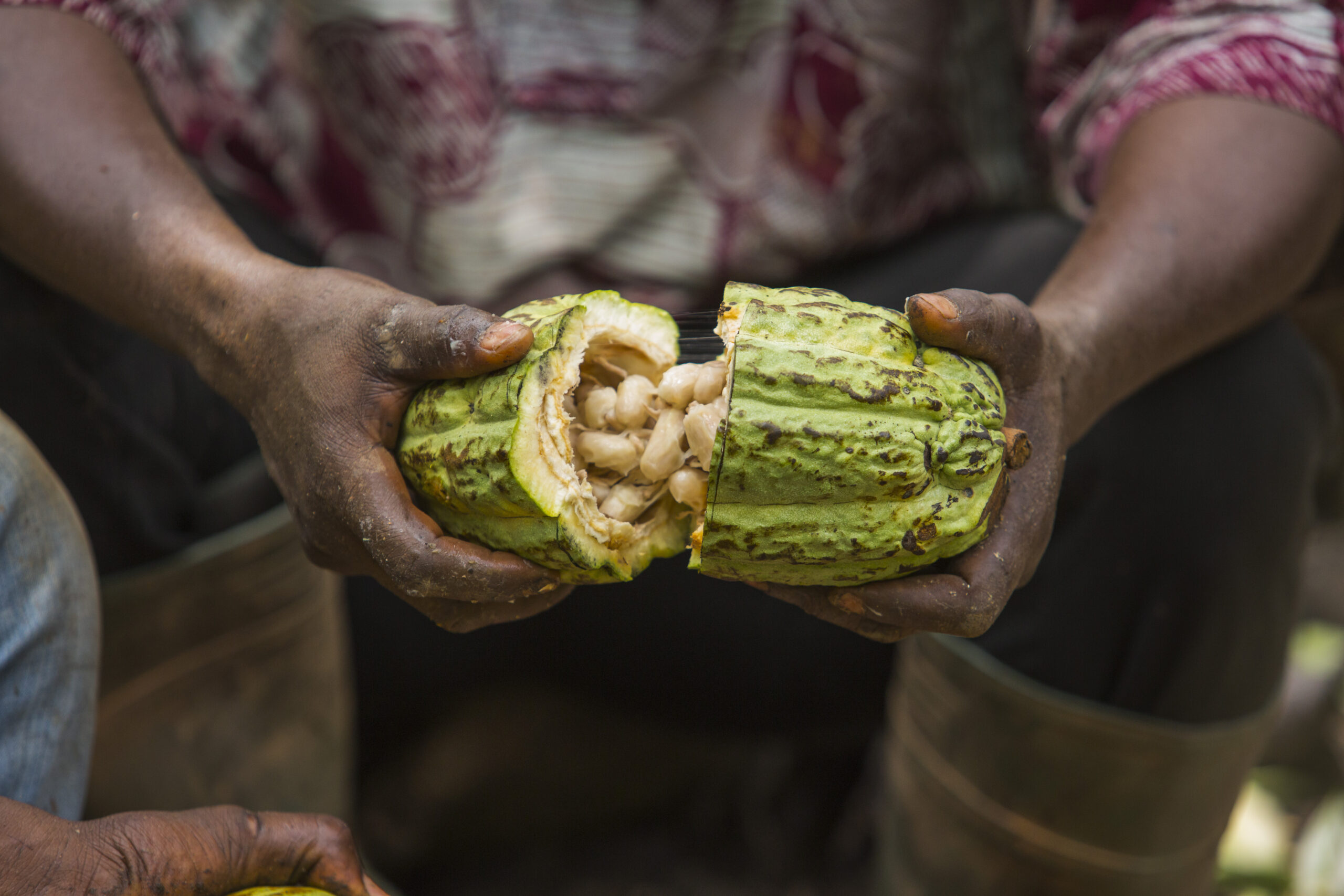
Through the USDA-funded Maximizing Opportunities in Cocoa Activity (MOCA), CNFA monetized 17,200 MT of U.S. crude degummed soybean oil—$8.5 million value—and used the proceeds to facilitate the first exports of quality Ivorian cocoa directly to U.S. chocolatiers, opening a new two-way trade channel.
2019
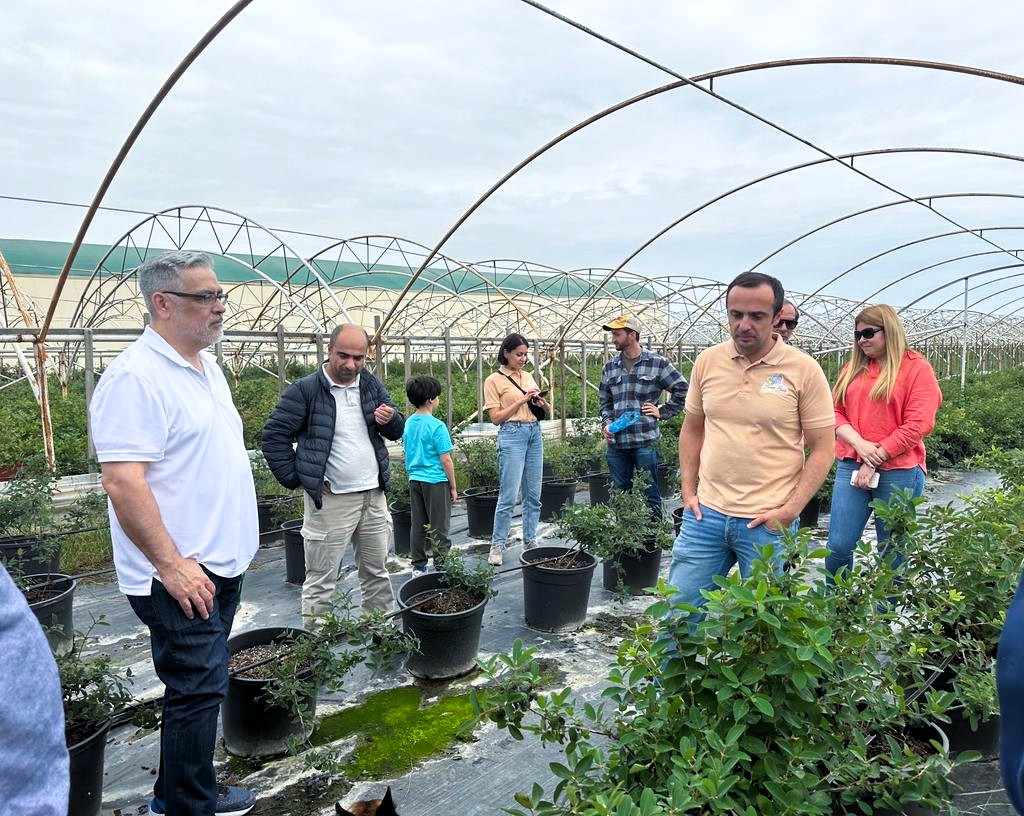
Via the Private Sector Activity in Azerbaijan, CNFA facilitated $3.8 million in U.S. product sales—seed, machinery, cold storage, and agricultural technology—by connecting Azerbaijani buyers with 13 American companies from 10 states.
2020
Under the USDA-funded PRO-Cashew Project, CNFA monetized 56,000 MT of U.S. rice and 20,000 MT of U.S. soybean meal worth $32 million across West Africa from farmers in Arkansas, Louisiana, Texas, Mississippi, Missouri, Illinois, and Iowa—expanding demand for American agriculture.
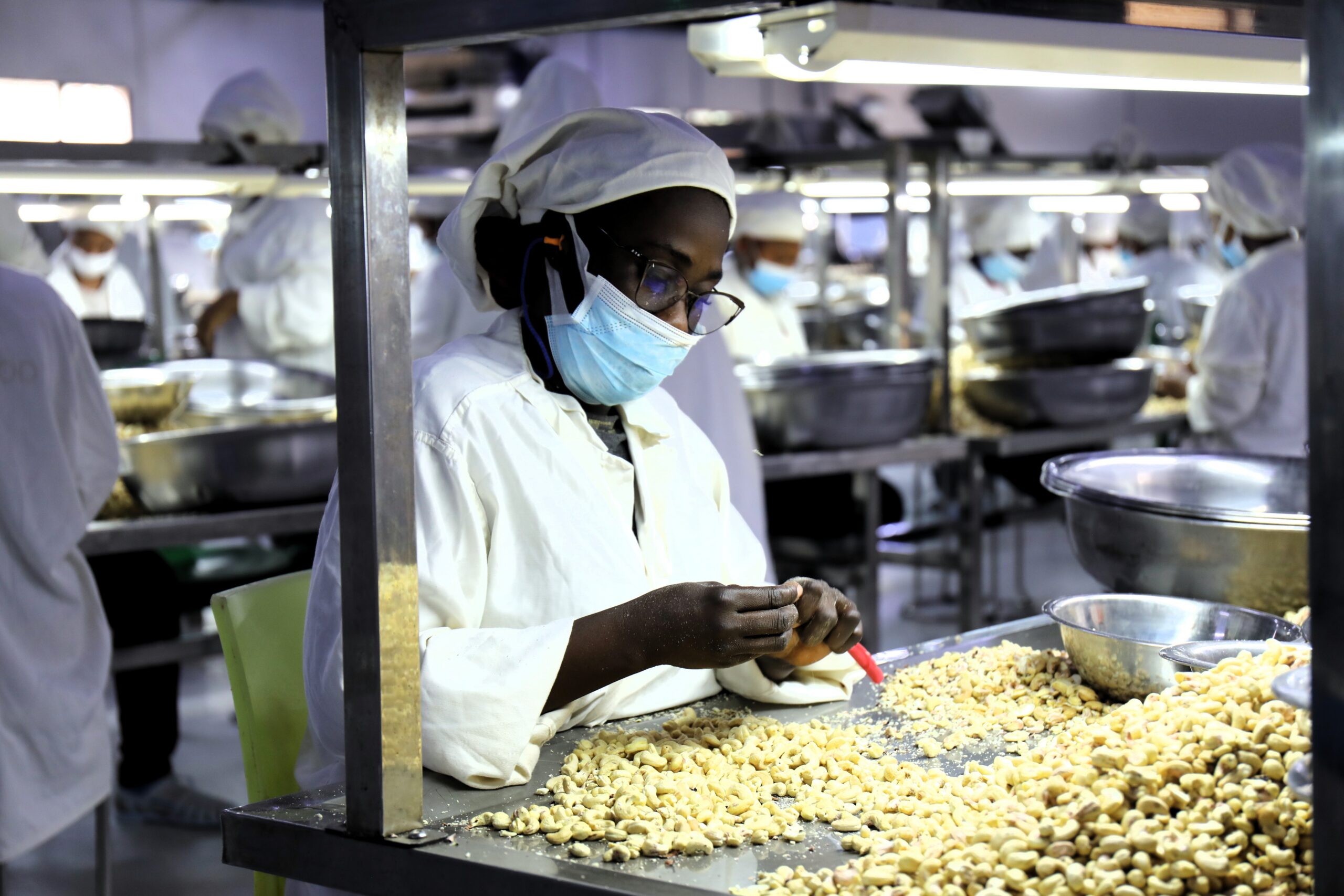
2021-Present
CNFA continues to apply and refine its approaches through projects that advance production, input use, and enterprise development alongside strengthened access to durable trade, finance, and investment opportunities. These efforts support farmers, agribusinesses, and communities in responding to changes in environments and markets while strengthening agriculture as a foundation for long-term economic progress. You can read more about our work here.
American business and American government must recognize that we must take the long-term view. We need to recognize that there will be very few quick sales, very few early or easy returns. We need to recognize that trade, investment, and long-term partnerships are the links and the keys to success. We will not generate the trade that will in turn generate thousands of U.S. jobs without investment. And we will not be able to achieve the investment levels which are essential without a public-private partnership which helps minimize risk and which helps to address the real problems of access to investment capital and trade finance.
— John H. Costello, CNFA founder testifying before the U.S. Senate Committee on Small Business